By Johnnie Aref
August 21, 2026
Demolition projects are notoriously fast-paced, messy, and demanding. Whether knocking down an old residential garage, gutting a commercial kitchen, or stripping a home down to its wooden studs, the sheer volume of debris generated can quickly overwhelm an active job site. Managing concrete chunks, shattered drywall, twisted rebar, fractured lumber, and old fixtures requires a clear operational strategy. Without a dedicated waste management system in place, debris piles up rapidly, creating severe safety hazards and bringing work momentum to a sudden halt. Utilizing a heavy-duty container system provides the most effective solution for maintaining order during tear-downs. Understanding how roll-off dumpsters make demolition cleanup easier helps project managers and property owners execute safer, faster, and far more cost-effective projects.
Understanding the Structural Advantages of Heavy-Duty Containers
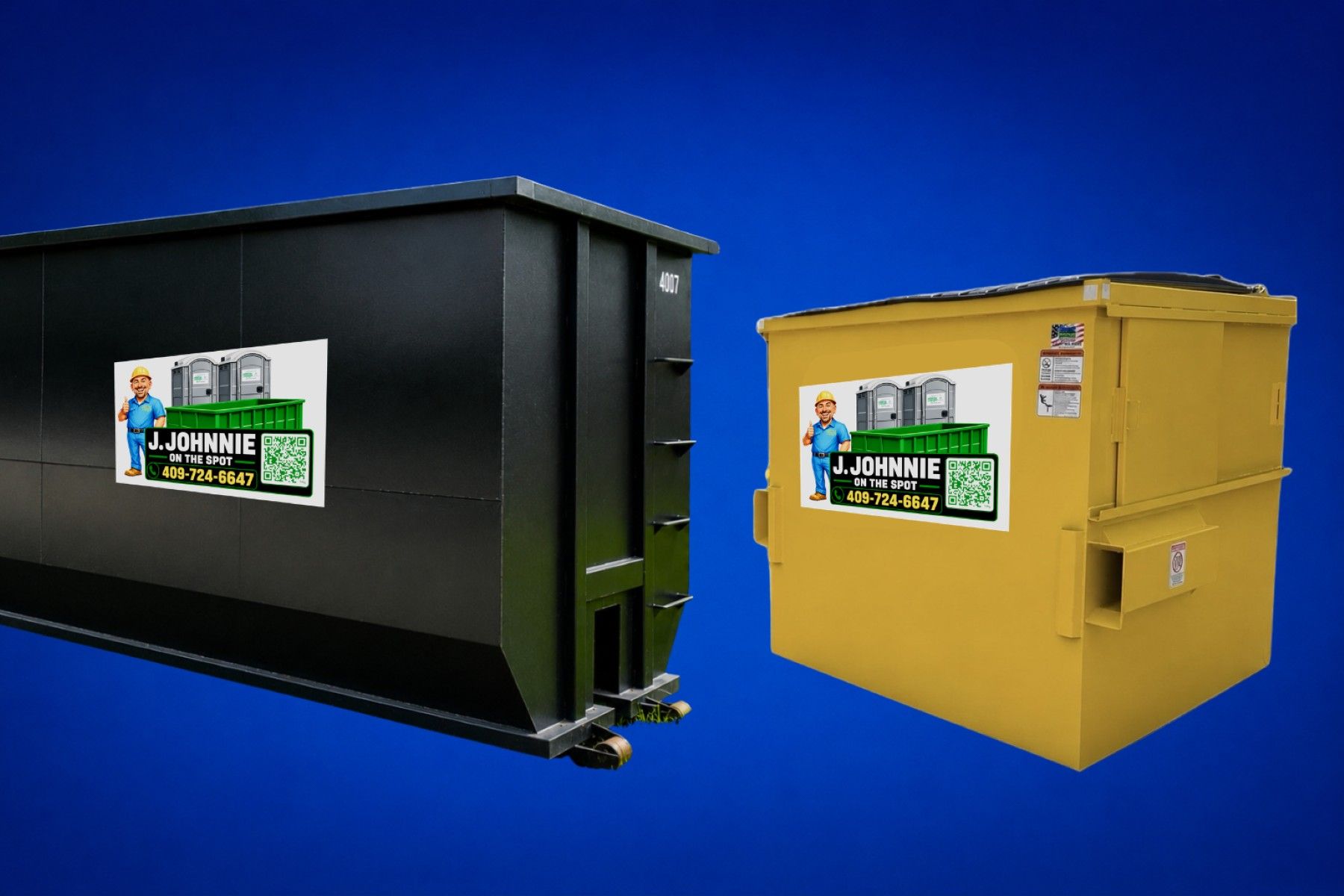
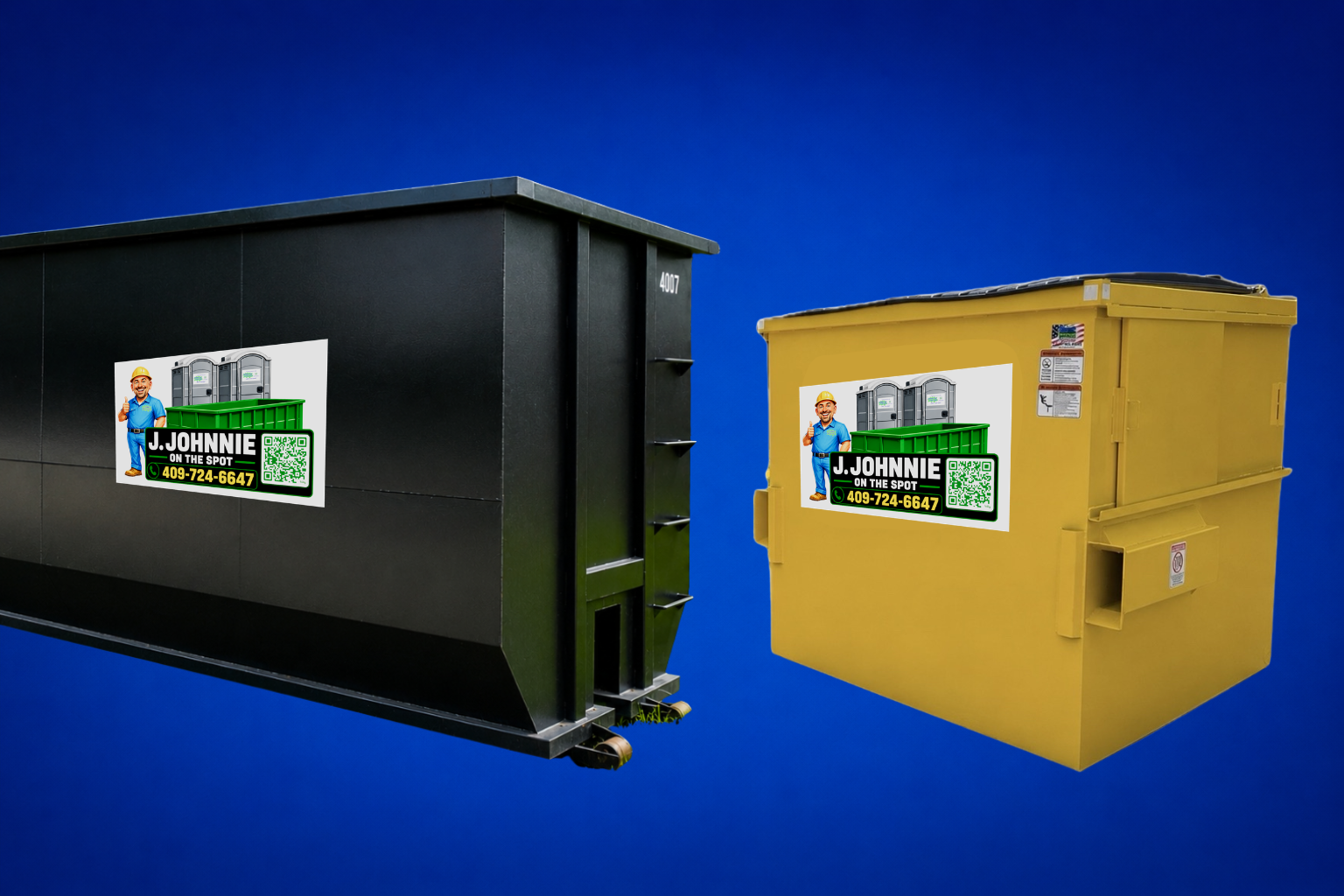
The physical design of a roll-off container makes it uniquely suited for handling heavy structural debris. Unlike standard residential trash bins or stationary commercial dumpsters, roll-off units feature open tops and rectangular footprints with fully opening rear doors. This structural layout allows workers to walk heavy or bulky items directly into the unit rather than lifting them over high sidewalls. Throwing heavy masonry, long wooden beams, or dense plaster over a high edge quickly drains worker energy and increases the risk of muscle strain or accidental drops. By swinging the back doors open, crews can wheel heavy materials inside using wheelbarrows, stacking debris neatly from front to back to maximize space efficiency.
Securing a specialized dumpster rental gives crews an immovable, centralized collection point right on site. This centralization eliminates the chaotic practice of creating multiple waste piles across a property, which double-handles materials and clutters working pathways. Because these containers are built with reinforced steel walls and heavy-gauge floors, they can easily handle the impact of sharp, heavy, and jagged demolition waste that would puncture or collapse flimsier disposal equipment. Having a durable container stationed directly adjacent to the work area maintains a clear structural barrier between active workspace and accumulated waste.
Enhancing Site Safety and Minimizing Hazard Exposure
Demolition zones are inherently dangerous, filled with exposed nails, jagged glass, splintered framing, and shifting piles of rubble. When debris is allowed to accumulate on the floor, it creates severe trip hazards, blocks emergency escape routes, and hides structural instability beneath loose rubbish. Throwing materials immediately into a container keeps the surrounding work surface clear and predictable. A clean floor allows workers to focus entirely on the physical task at hand without constantly watching their step for loose debris or sharp metal edges.
Promptly containing waste also protects neighbors, passersby, and nearby property from flying dust and loose trash. Securing a timely dumpster rental ensures that hazardous waste is sequestered immediately rather than sitting exposed to rain or high winds that could scatter lightweight insulation and dust across surrounding properties. Furthermore, keeping debris off the ground prevents sharp materials from puncturing truck tires or damaging existing driveways, saving contractors and homeowners from expensive collateral repairs. Maintaining an orderly site through continuous containment dramatically lowers the risk of workplace injuries and liability claims.
Streamlining Workflow Efficiency and Time Management
Time is one of the most critical variables in any construction schedule, and inefficient waste handling is a major source of project delays. When workers spend hours hauling debris across a site, clearing pathways, or piling rubbish onto open pickup trucks, valuable labor is diverted away from active teardown work. Having a high-capacity waste vessel right next to the structure streamlines the movement of waste, allowing workers to deposit debris immediately as it is detached from the building.
The logistics of waste removal become remarkably seamless when using a scheduled haul-away service. Rather than making dozens of exhausting trips to a municipal landfill, workers focus entirely on demolition while the waste container handles the volume. Partnering with a professional dumpster rental company allows site managers to schedule timely drop-offs and pickups that match the rhythm of the project. When one unit fills up, a driver hauls it away and replaces it with an empty container, keeping the work flowing without interruption. This continuous operational loop saves dozens of labor hours and keeps projects moving forward on schedule.
Managing High-Volume Construction and Structural Waste
Demolition naturally generates immense physical mass, often far more than project managers anticipate during initial planning phases. Concrete, brick, tile, and plaster are exceptionally dense materials that quickly exceed standard weight limitations if not managed correctly. Roll-off containers are engineered to transport high-tonnage loads safely over public roads, offering specialized heavy-material configurations designed specifically for masonry, dirt, and concrete tear-outs.
The immense role these containers play in structural waste management is reflected across the entire waste industry. According to World Metrics, construction and demolition debris makes up 30% of the total volume transported in roll-off dumpsters. This statistic highlights just how essential heavy-duty roll-off units are for managing structural tear-downs across both residential and commercial sectors. Securing the correct dumpster rental capacity prevents weight overload issues and ensures that heavy structural waste is transported safely to appropriate disposal and crushing facilities.
Promoting Environmental Responsibility and Efficient Sorting
Modern demolition practices place a strong emphasis on sustainability, recycling, and material recovery. A significant portion of structural debris, including structural steel, copper piping, clean lumber, and concrete, can be recycled or crushed for aggregate base material rather than buried in landfills. Utilizing dedicated roll-off containers makes on-site material sorting simple and organized. Contractors can use separate containers for distinct waste streams, placing concrete and brick in one unit while sending mixed drywall and lumber to another.
Environmental regulations regarding waste disposal have become increasingly strict in recent years. Renting a container through a licensed dumpster rental provider guarantees that debris is hauled to certified processing centers and recycling facilities that adhere to local, state, and federal environmental standards. Professional waste management partners track disposal documentation, ensuring that recyclable materials are diverted from landfills whenever possible. This eco-friendly handling minimizes the environmental footprint of the teardown while helping contractors satisfy green building certifications and municipal recycling mandates.
Reducing Transportation Costs and Logistics Overhead
Managing waste hauling independently using light-duty trucks or utility trailers is surprisingly expensive and logistically complex. Making multiple trips to a regional landfill consumes significant fuel, incurs repetitive gate and tipping fees, and subjects personal or company vehicles to severe wear and tear. Furthermore, driving back and forth to disposal sites takes key workers away from the job site for hours at a time, driving up labor costs without adding value to the project.
Consolidating all project debris into a large-capacity container represents the most economical waste management strategy available. Arranging a single dumpster rental consolidates all transit costs into one predictable expense, eliminating extra fuel charges and multiple landfill visits. The large volume of a roll-off unit swallows thousands of pounds of debris in a single placement, maximizing transport efficiency and keeping overall logistical overhead under tight control.
Choosing the Ideal Capacity for Project Needs
Selecting the appropriate container size is essential for optimizing cost and maintaining steady momentum on a teardown project. Containers are measured in cubic yards, typically ranging from compact 10-yard units suited for small bathroom guts up to massive 40-yard containers designed for full structural demolitions. Selecting a size that is too small leads to overflow issues and extra haul charges, while choosing an overly large container wastes valuable budget on unused capacity.
Consulting with an experienced dumpster rental provider helps project managers accurately match container capacity to the specific scope of the project. Professionals evaluate the building square footage, material types, and structural density to recommend the precise container size and weight allowance required. Choosing the right container ensures a smooth, safe, and highly efficient cleanup process from the very first sledgehammer swing to the final sweep of the site.
By providing a centralized location for heavy waste, these heavy-duty containers protect workers from site hazards, cut down on unnecessary labor hours, and keep projects running on schedule. Furthermore, consolidating high-volume debris into a single dedicated unit lowers transportation costs while supporting environmentally responsible sorting and recycling practices. Ultimately, prioritizing proper waste management allows contractors and property owners to focus on execution rather than cleanup friction. Contact J. Johnnie on the Spot today to secure the reliable roll-off dumpster services your next demolition project demands.