By Johnnie Aref
October 19, 2026
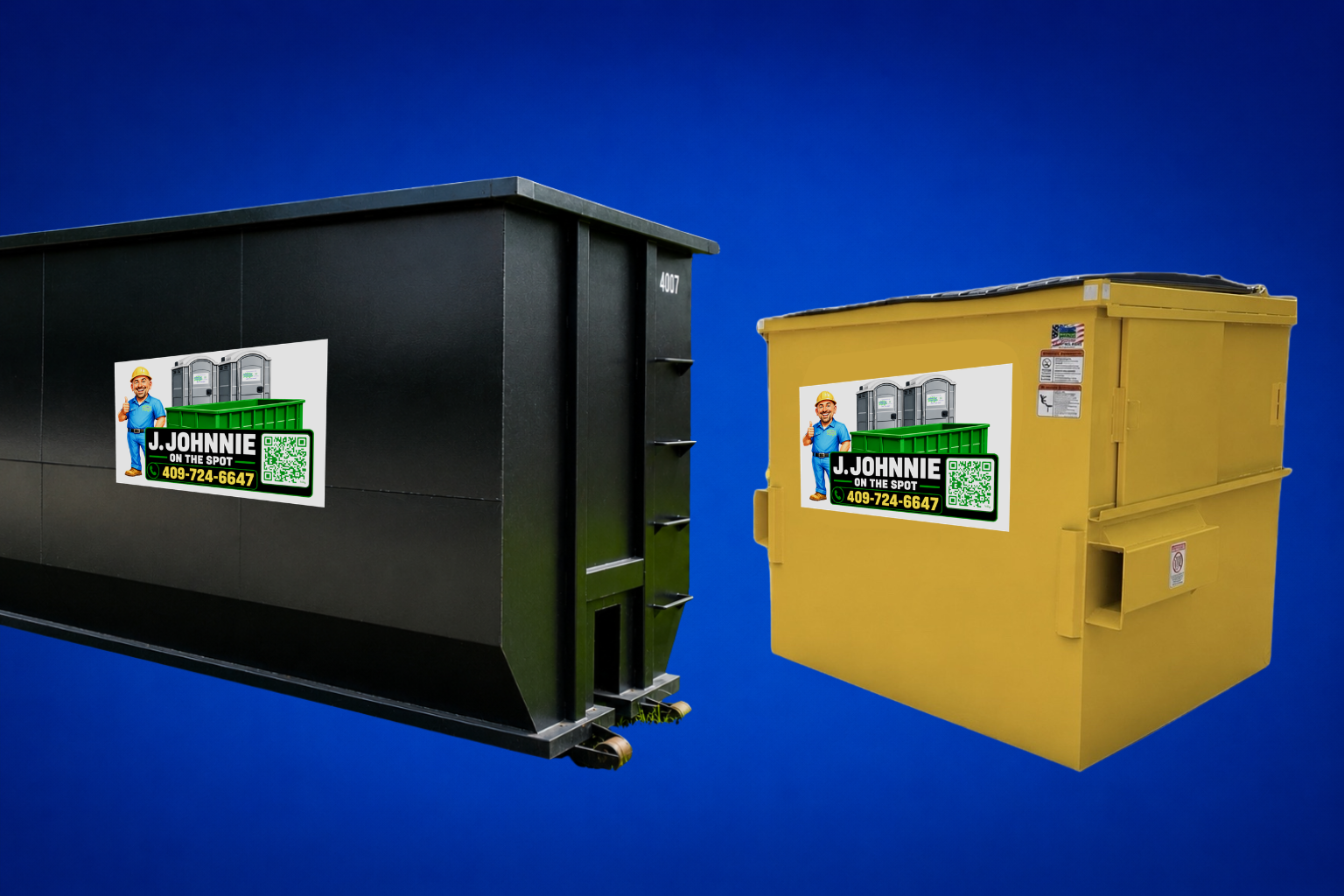
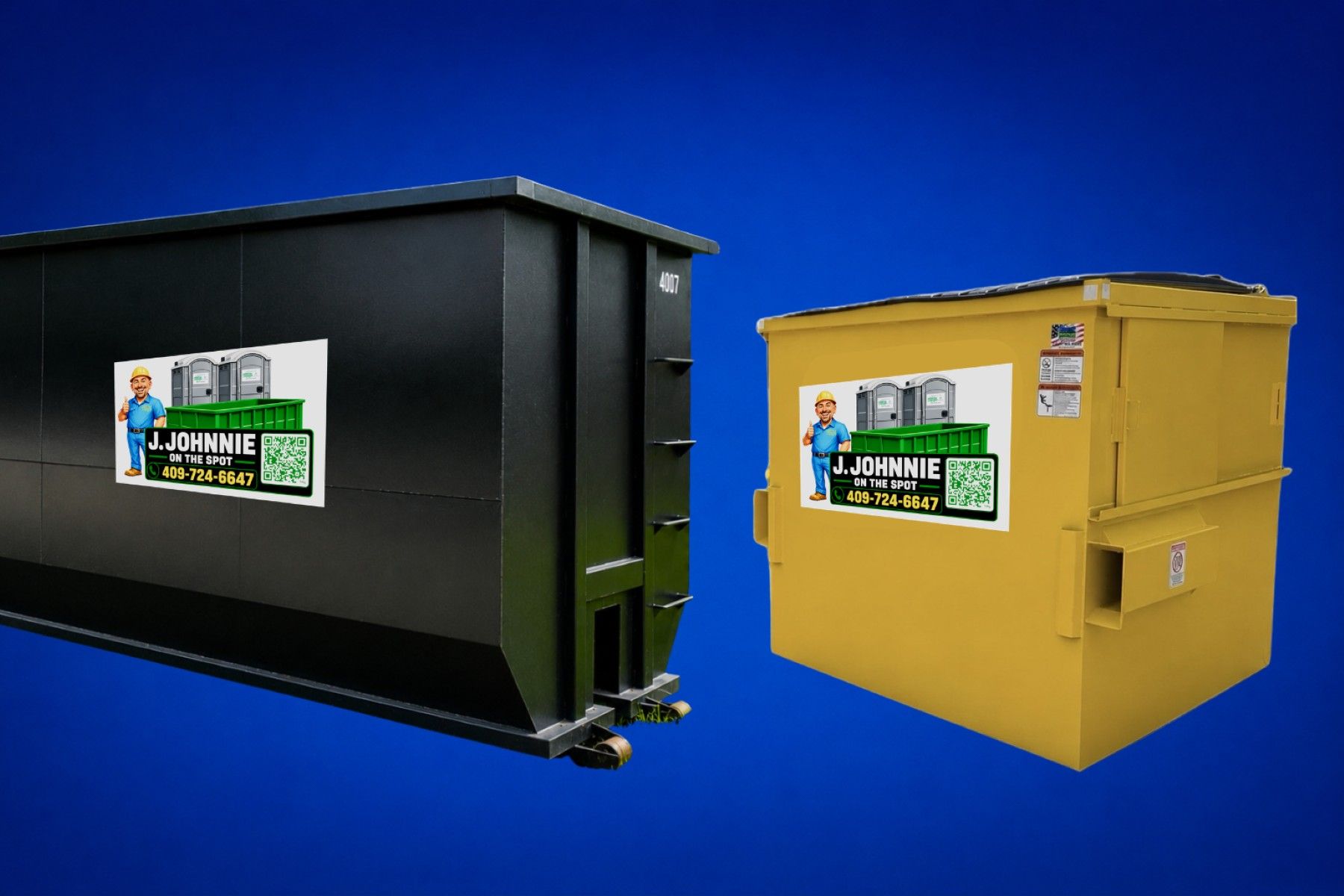
Moving out of a home or apartment involves more than packing belongings and arranging transportation. It also requires sorting through accumulated possessions, deciding what to keep, and finding appropriate ways to dispose of unwanted items. Old furniture, broken appliances, damaged household goods, and general clutter can quickly create substantial waste. Without a disposal plan, these materials may take up valuable space and slow down the moving process. Dumpster rentals offer a convenient way to manage unwanted items while preparing for a move. Having a designated container available can reduce unnecessary trips, simplify cleanup, and help households stay organized.
1. Reducing Trips to Waste Disposal Facilities
One of the most time-consuming parts of moving is disposing of items that will not be transported to the new residence. Without a dumpster, homeowners may need to load unwanted belongings into personal vehicles and drive to local disposal facilities. Multiple trips can become necessary when dealing with bulky furniture, damaged materials, and household waste. Each trip requires additional time for loading, transportation, unloading, and returning home. These interruptions can make it difficult to maintain progress with packing and other moving responsibilities.
Dumpster rentals provide a centralized location for collecting unwanted materials throughout the moving process. Instead of repeatedly leaving the property, residents can place approved items directly into the container as they sort through rooms. This arrangement allows more time for organizing belongings and preparing for moving day. Reducing disposal trips may also help households avoid additional fuel expenses and vehicle wear. For larger cleanouts, these savings can make renting a container a practical alternative to transporting everything independently.
2. Simplifying the Decluttering Process
Moving presents an opportunity to evaluate which belongings are worth keeping. Closets, garages, basements, and storage areas often contain items that have not been used for years. Sorting through these spaces can become overwhelming when unwanted materials accumulate in hallways or living areas. Having a clear disposal strategy helps residents make decisions without repeatedly moving discarded items. A designated waste container can keep the sorting process organized while creating additional room for packing.
With dumpster rentals, households can establish a consistent routine for removing approved unwanted materials. As each room is cleaned, items designated for disposal can be taken outside rather than left in piles. Reusable belongings can be separated for donation, resale, or relocation, while materials that cannot be reused can be discarded appropriately. This organized approach reduces clutter and makes it easier to identify unfinished tasks. Completing decluttering before moving day can also prevent residents from packing unnecessary belongings.
3. Lowering Moving and Transportation Expenses
Moving costs can increase when households transport belongings they no longer need. Larger quantities of possessions may require additional moving boxes, packing supplies, vehicle space, and labor. Transporting unnecessary furniture or household goods could contribute to the need for a larger moving truck or additional trips. Removing unwanted materials before packing helps residents focus their resources on possessions they intend to keep. This can make the overall moving process more manageable and potentially less expensive.
Renting a dumpster may also reduce certain disposal-related expenses. Personal vehicle trips can involve fuel costs, facility fees, and time away from other moving tasks. However, dumpster pricing depends on container size, rental duration, disposal weight, and local service requirements. Homeowners should compare these expenses with other disposal options. Selecting an appropriately sized container and understanding rental terms can help prevent unnecessary charges. Careful planning allows residents to determine whether a dumpster provides better overall value for their cleanup needs.
4. Managing Bulky Household Waste More Efficiently
Large household items can create significant challenges during a move. Damaged furniture, worn carpeting, broken shelving, and other bulky materials may be difficult to transport in a standard passenger vehicle. Attempting to fit oversized objects into limited cargo space can require repeated loading and unloading. Some items may also need to be disassembled before transportation. These tasks consume valuable time that could otherwise be spent preparing the property for its next occupants.
Dumpster rentals can provide a convenient disposal option for many bulky household materials, depending on the provider's acceptance policies. Residents can remove approved items as rooms are cleared instead of allowing them to accumulate inside the home. Before loading, it is important to confirm restrictions involving appliances, electronics, hazardous substances, and other regulated materials. Some items require specialized recycling or disposal services. Following the provider's guidelines helps households avoid rejected loads, unexpected fees, and complications during container pickup.
5. Supporting Responsible Waste Sorting and Recycling
Moving often produces a mixture of materials, including cardboard, wood, metal, plastic, and damaged household goods. While some materials belong in the trash, others may be suitable for recycling or donation. Separating reusable and recyclable items before disposal can reduce the amount of waste sent to landfills. This process also helps residents recognize opportunities to give usable belongings to local organizations or individuals. Responsible sorting is an important part of planning an organized household cleanout.
According to Worldmetrics, metals account for 45% of the materials recycled from roll-off dumpsters. This statistic highlights the role that metal materials can play in recycling activities involving large waste containers. However, recycling procedures vary among waste management providers and processing facilities. Homeowners should ask whether their selected service offers recycling options or requires certain materials to be separated. Understanding these policies can help residents make informed disposal decisions. Keeping prohibited materials out of the container also supports safer waste handling.
6. Maintaining a Cleaner and Safer Moving Environment
A cluttered property can make moving more difficult for residents and professional movers. Piles of discarded belongings may obstruct doorways, staircases, garages, and walking paths. Loose materials can create tripping hazards or interfere with carrying heavy furniture and packed boxes. Maintaining clear access throughout the home helps everyone move between rooms more easily. A cleaner environment is especially important when several people are working together to complete packing, loading, and cleanup tasks.
Using dumpster rentals allows residents to remove approved waste from frequently used areas throughout the preparation process. Rather than storing unwanted materials in hallways or near entrances, households can place them in a designated outdoor container. The dumpster should be positioned on a stable, accessible surface where it does not block important pathways or create traffic concerns. Residents should also avoid overfilling the container and follow loading instructions. These precautions can help maintain an orderly property while supporting efficient moving activities.
7. Streamlining Final Property Cleanup
After furniture and packed belongings have been removed, homeowners and renters often discover additional waste that needs attention. Forgotten storage items, damaged decorations, leftover packing materials, and miscellaneous debris may remain throughout the property. Cleaning these materials before departure is important, particularly when renters must meet lease requirements or homeowners are preparing for a property transfer. Waiting until the final day to address accumulated waste can create unnecessary pressure and interfere with scheduled moving arrangements.
Dumpster rentals can simplify final cleanup by providing a disposal location that remains available during the agreed rental period. Residents can gradually remove unwanted materials as rooms become empty instead of handling everything at once. Coordinating the container's pickup date with the moving schedule helps ensure enough time remains for disposal tasks. Before leaving, households should inspect closets, cabinets, outdoor areas, and storage spaces for overlooked items. Completing these checks can make the transition smoother and reduce the likelihood of additional cleanup visits.
Moving out can be demanding, but an organized waste disposal plan can help reduce unnecessary work and expenses. Renting a dumpster provides a convenient way to remove unwanted belongings, manage bulky materials, maintain cleaner work areas, and complete final property cleanup. It may also reduce transportation trips and help households avoid spending money moving items they no longer need. Choosing the right container size, understanding disposal restrictions, and coordinating delivery and pickup dates are important steps toward getting the most value from the service. Whether you are leaving an apartment, preparing a house for sale, or relocating to a new residence, dependable waste removal support can make the experience more manageable. For assistance with your moving cleanup and convenient dumpster rental options, contact J. Johnnie on the Spot today.