By Johnnie Aref
September 23, 2026
Maintaining a healthy, reliable home plumbing system often comes down to understanding what happens beneath the surface of your yard. While underground wastewater infrastructure operates out of sight, it plays a vital role in everyday hygiene, comfort, and property value. Unfortunately, misinformed advice and long-standing misconceptions lead many property owners to neglect essential care or adopt habits that quietly damage their systems. Clearing up these widespread misunderstandings makes it much easier to keep your household running smoothly and avoid costly, stressful plumbing emergencies. Here is the truth behind ten common myths surrounding residential wastewater management.
Myth 1: You Only Need to Pump Your Tank When Problems Occur
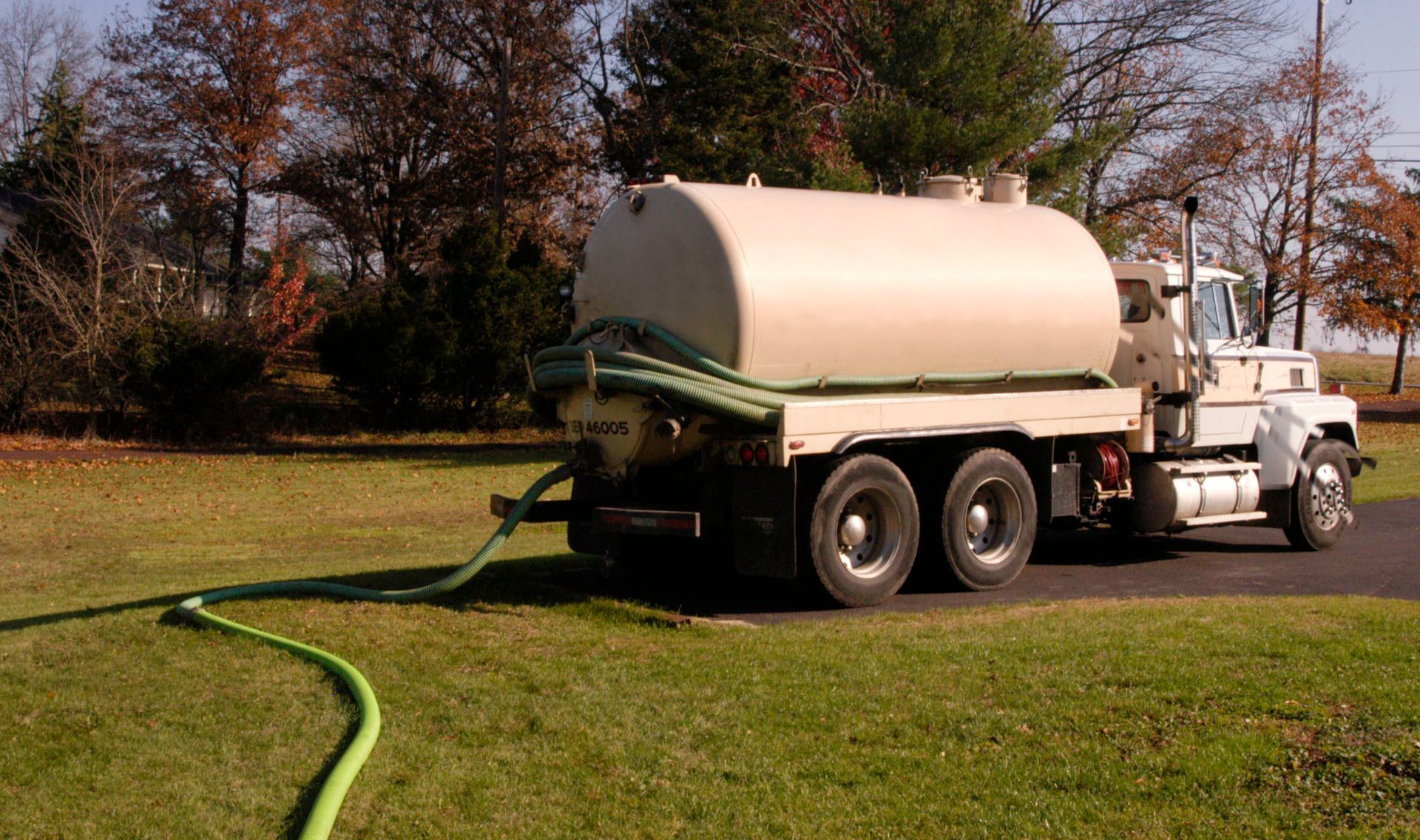
Waiting for sewage backups or slow drains before booking a septic tank pumping service is one of the most frequent mistakes property owners make. A system can function smoothly on the surface while solid waste quietly builds up inside the tank over time. If sludge and scum layers grow too thick, solids escape into the drainfield, leading to clogged soil pipes and catastrophic failure. Routine maintenance prevents these hidden issues long before visible warning signs show up in your yard or home. Investing in a regular septic tank pumping service schedule ensures solid waste is cleared before it forces its way into your absorption area.
Myth 2: Flushes Marked Flushable Are Always Safe for the System
Commercial packaging often claims that wipes, paper towels, and hygiene products dissolve easily, but septic infrastructure tells a very different story. Unlike standard toilet paper, synthetic fibers and heavy cellulose materials do not break down rapidly in an anaerobic tank environment. These items accumulate rapidly, creating dense mats of debris that trap scum and block inlet pipes. Over time, relying on these materials causes premature clogging, necessitating an emergency septic tank pumping service to restore proper wastewater flow. Sticking strictly to human waste and basic toilet paper preserves the natural biological breakdown process inside your system.
Myth 3: Septic Systems Require No Maintenance or Attention
Because the underground tank remains out of sight, many people assume it operates indefinitely without human intervention. In reality, every household setup has a finite capacity for storing solid waste. According to This Old House, 25% of American households use a septic system, making underground wastewater management a major part of residential infrastructure across the country. Every one of those systems requires consistent care to manage household output. Scheduling a routine septic tank pumping service removes accumulated sludge layers, protecting the surrounding soil absorption area from getting overloaded with fine particulate matter.
Myth 4: Heavy Chemical Drain Cleaners Fix Every Clog Safely
When sinks or shower drains run slowly, pouring harsh commercial chemicals down the pipe seems like a quick remedy. However, these caustic substances flow straight into the underground holding tank, where they wreak havoc on the natural ecosystem. Healthy tanks rely on active beneficial bacteria to decompose biological matter and separate solids from wastewater. Strong chemical solutions wipe out these micro-organisms, stopping natural decomposition and causing solids to build up much faster. Instead of dumping harsh acids down the sink, booking a professional septic tank pumping service clears blockages safely without destroying essential bacterial colonies.
Myth 5: You Can Build or Park Anything Over Your Drainfield
The open lawn above a drainfield might look like convenient space for a new shed, patio, or vehicle parking spot. Placing heavy structures or driving vehicles over this ground causes severe soil compaction. Compacted soil crushes delicate perforated distribution pipes and restricts oxygen flow, preventing the earth from naturally filtering clarified effluent water. Additionally, heavy weight on top of underground components risks cracking structural walls and pipes. Protecting this area from physical weight and scheduling an occasional septic tank pumping service guarantees the soil retains its natural absorption capacity for long-term wastewater filtration.
Myth 6: Additives and Enzymes Replace the Need for Pumping
Store shelves feature countless commercial additives claiming to break down all solids, promising to eliminate mechanical maintenance entirely. While some treatments temporarily boost bacterial activity, no chemical or biological additive converts dense waste into total liquid. Inorganic compounds, non-biodegradable particles, and heavy sludge inevitably settle at the bottom of the vessel. Relying solely on powders or liquids causes sludge layers to rise undetected until effluent pipes clog up completely. Biological additives cannot digest dense sediment, making an actual septic tank pumping service the only reliable way to physically remove non-dissolvable waste accumulated over time.
Myth 7: Garbage Disposals Have No Impact on Underground Systems
Garbage disposals offer convenience in the kitchen, but they send finely ground food particles directly into underground plumbing. Biological waste from food processing introduces high levels of organic matter, fats, and oils into the wastewater stream. These solids break down far slower than human waste, rapidly increasing the thickness of both the bottom sludge and top scum layers. Homes using garbage disposals generate solid buildup at nearly double the rate of standard households. To manage this extra volume, home managers must increase the frequency of their septic tank pumping service to keep excess food debris out of the drainfield.
Myth 8: All Wastewater Drains Leave the Tank at the Same Rate
Excessive household water usage in a short time frame places intense hydraulic pressure on underground infrastructure. Running multiple laundry loads, dishwashers, and showers simultaneously floods the tank with high volumes of water in a brief window. This sudden surge creates strong currents inside the chamber, stirring up bottom sludge and forcing suspended solids into the outlet pipe before they can naturally settle. Spacing out heavy water usage throughout the week gives solids time to separate properly. Combining smart water conservation habits with a regular septic tank pumping service keeps effluent water clean as it moves into the absorption trench.
Myth 9: A System Works Fine as Long as Water Drains Quickly
Fast-draining sinks and toilets can create a false sense of security regarding overall system health. A tank can be completely packed with solid sludge while plumbing fixtures continue to flush normally inside the home. The true risk occurs when high sludge levels displace liquid volume, forcing untreated solid particles into the leach field long before plumbing backs up into household drains. Once soil pores in the drainfield fill with fine solids, repairs become extensive and expensive. Establishing a routine septic tank pumping service schedule ensures sludge levels remain low, long before physical symptoms show up in interior plumbing.
Myth 10: Any Grass or Trees Can Be Planted Near the Drainfield
Landscaping over an underground wastewater area requires careful selection of plant species. Trees and large shrubs possess aggressive, wide-spreading root structures that seek out moisture sources. These thirsty roots penetrate distribution pipes, blocking effluent channels and fracturing structural joints under the soil. Root intrusion causes localized backups and creates soil saturation issues around the absorption field. Planting shallow-rooted grasses over the drainfield protects underground pipes while preventing soil erosion. Regular inspections and a scheduled septic tank pumping service help keep root systems from interfering with proper wastewater distribution.
Understanding the reality behind common wastewater myths empowers property owners to take proper care of their underground infrastructure. From avoiding harsh chemicals to keeping heavy weight off the drainfield, proactive management prevents costly system failures and extends operational lifespan. Regular maintenance avoids sudden emergency backups and keeps household plumbing flowing without interruption year after year. For reliable maintenance, expert inspection, and professional care, contact J. Johnnie on the Spot today to schedule your next septic tank pumping service and protect your property investment.