By Johnnie Aref
October 22, 2026
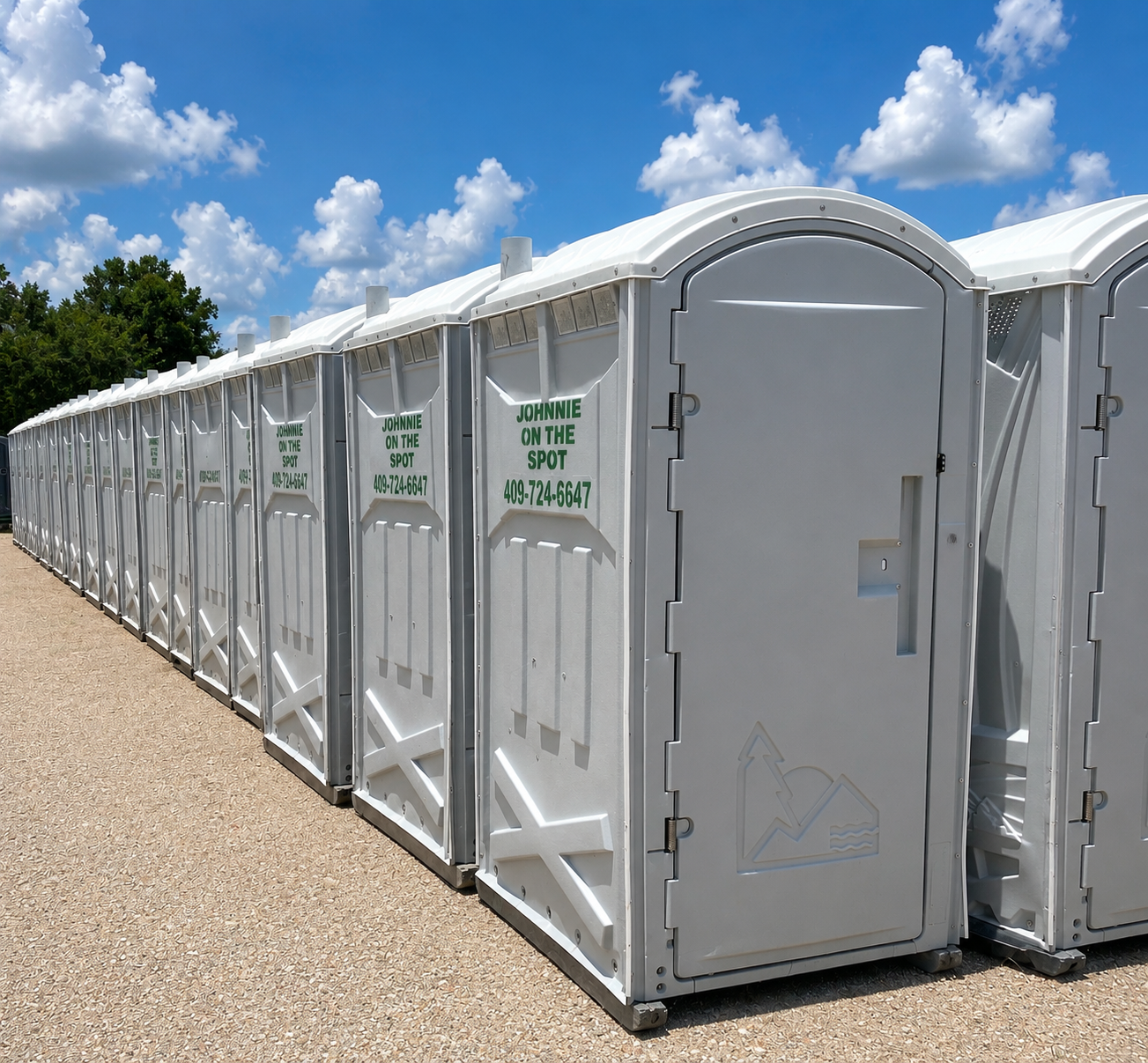
In planning an outdoor event, considerations of venue, entertainment, and catering often top the list. However, the significance of proper restroom access cannot be overstated. Restroom availability significantly impacts guests' experiences, the success of the event, and adherence to hygiene standards. This article delves into the pivotal role of restroom facilities in outdoor events and how meticulous planning regarding portable toilet rental ensures a smooth and enjoyable experience for all.
1. Why is Restroom Access Crucial for Outdoor Events?
1.1 Guest Satisfaction and Comfort
Guest satisfaction is paramount in any event planning. Restroom access influences attendees' comfort and their duration of stay. A well-planned restroom layout prevents long lines, ensures comfort, and enhances the overall experience. Imagine an outdoor wedding or a corporate retreat with insufficient restrooms; the resulting discomfort could mar the event's joyful atmosphere.
When guests' basic needs are met efficiently, they are more likely to focus on enjoying the event and less on personal inconveniences. Reports suggest a significant portion of guest complaints at large-scale events are restroom-related, emphasizing the need for effective portable toilet rental solutions to mitigate discomfort and ensure satisfaction.
1.2 Health and Hygiene Standards
The health and hygiene aspect cannot be overlooked. Adequate restroom facilities help maintain essential sanitary standards, reducing the risk of illness outbreaks. Clean, well-stocked porta potties are crucial for public health, especially during large gatherings where sanitation is paramount to prevent diseases.
Portable toilet rentals must follow local health guidelines, ensuring facilities are equipped with hand sanitizers, soap, and sufficient water supply to promote proper hygiene practices. Providing guests with the necessary facilities to maintain cleanliness not only enhances their experience but also protects their well-being.
1.3 Event Regulations and Compliance
Compliance with local regulations is essential for any event. Local authorities typically require a minimum number of restrooms based on event size and type. Failure to comply can result in fines or even the cancellation of the event, which could have been easily avoided by planning ahead.
Serving food or alcohol at an event can raise porta potty demand by 10% to 20%, according to Race Directors HQ. Therefore, understanding the specifics of required facilities helps event organizers adhere to these regulations while ensuring guest comfort and satisfaction. It is critical to assess the requirements before the event to avoid last-minute challenges.
1.4 Impact on Event Reputation
An event's reputation is largely influenced by attendees' experiences. Inadequate restroom facilities can lead to negative reviews and word-of-mouth criticism, potentially affecting future attendance and the perception of the event organizer’s professionalism.
Proper restroom planning, including portable toilet rentals, reflects a detailed-oriented approach that values attendee welfare. By ensuring well-maintained and adequate facilities, event planners bolster their reputation, encouraging positive feedback and repeat attendance.
2. How to Plan for Portable Toilet Rental?
2.1 Estimating Guest Attendance
Accurate estimation of guest attendance is vital for determining the number of portable toilets needed. Consideration of factors such as event duration, demographic, and type (family, corporate, or public) influences the required number. Underestimating attendance can lead to overcrowded restrooms, while overestimating can inflate costs unnecessarily.
Field data and prior event statistics can guide the estimation process. Additionally, consulting with portable toilet rental companies can provide industry insights and recommendations tailored to specific event needs, ensuring adequate facilities are in place.
2.2 Choosing the Right Type of Portable Toilets
Different events necessitate different types of portable toilets, ranging from standard units to luxury trailers. The choice depends on the event's nature, guests' expectations, and location. Corporate events may require premium restrooms, while festivals might prioritize a higher number of standard units.
Ensuring that the selected toilets match the event style and guest needs enhances comfort and portrays a professional image. Selecting the correct type is essential in aligning with the event's overall atmosphere and maintaining guest satisfaction.
2.3 Budgeting for Portable Toilet Rentals
Budgeting is a fundamental aspect of event planning. Allocating resources for portable toilet rentals requires a comprehensive approach, considering factors like the number of units, types, and service frequency. Event planners must integrate sanitation costs into the overall budget to avoid surprises.
Negotiating with vendors and comparing quotes can yield cost-effective solutions. By balancing quality with budget constraints, event organizers can optimize restroom facilities without overspending. Transparent and precise budgeting ensures no compromises on guest welfare.
2.4 Scheduling and Logistics
Effective scheduling and logistics management are crucial for smooth operations. Coordinating the delivery, placement, and pickup times for portable toilets minimizes disruptions on the event day. Ensuring that all facilities are installed before guests arrive is vital to preserving a seamless experience.
Attention must be paid to the logistical aspects of access routes, suitable terrain for placement, and space required for each unit. Work closely with rental providers to develop a robust logistics plan that accommodates the event's physical and operational structure.
3. What are the Best Practices for Portable Toilet Placement?
3.1 Ensuring Accessibility
Accessibility is key to maximizing restroom utility. Portable toilets must be readily accessible to all guests, including those with disabilities. Strategic placement within main event areas, but not obstructing pathways, ensures convenience without disrupting the event flow.
Placement must also consider natural paths and areas of high foot traffic to limit hassle for attendees. Engaging in a site walk-through beforehand helps identify the most viable locations for installation, promoting ease of access and usability.
3.2 Safety Considerations
Safety remains a priority when choosing locations for portable toilets. Avoiding areas prone to flooding or having uneven ground ensures that facilities remain stable and secure throughout the event duration. Proper installation procedures minimize risks associated with misuse or accidents.
Clear pathways and adequate lighting around restroom areas enhance safety for nighttime events. These considerations limit potential hazards, ensuring a safer and more enjoyable event for all participants.
3.3 Mitigating Noise and Odor
While portable toilets are essential, attention to positioning away from focal event points mitigates any noise and odor disturbances. Selecting downwind locations and maintaining a suitable buffer distance from gathering areas significantly improves guest comfort.
Regular maintenance and cleaning schedules further diminish odor issues. Integrating sound planning with service frequency ensures environments remain pleasant, aligning restroom facilities with the event’s ambiance and reduce nuisance.
3.4 Integration with Event Layout
Seamless integration of restroom facilities into the event layout maximizes space and enhances overall experience. Portable toilets should be aligned with the event's structural flow, not obstructing view lines or limiting mobility.
Collaborating with event layout planners to visualize portable toilet placement helps coordinate space effectively, considering logistics such as proximity to food vendors or exit points. Successful integration reflects thoughtful planning, benefiting guest interaction with all event features.
4. What Strategies Ensure Cleanliness and Maintenance?
4.1 Developing a Cleaning Schedule
A consistent cleaning schedule is vital for maintaining sanitation within portable restrooms. Scheduling regular cleaning intervals, tailored to event duration and attendee volume, sustains hygiene standards and enhances user experience.
Communicating these schedules with maintenance teams avoids lapses and ensures service consistency. A well-executed plan maintains appearance and functionality, leaving a positive impression on attendees.
4.2 Monitoring Supplies and Stock
Ensuring an ample supply of essentials such as toilet paper, soap, and hand sanitizers in portable toilets is crucial to sustaining functionality throughout the event day. Monitoring supplies avoids scenarios where guests encounter poorly stocked facilities.
Event planners should regularly check inventory levels and coordinate with supply teams to anticipate resupply needs, ensuring that all units are well-equipped to handle continual usage without inconvenience to guests. Reach out to J Johnnie on the Spot today to see how we can help you!