By Johnnie Aref
September 22, 2026
Are you thinking about investing in dumpster rentals? Whether you're a homeowner considering a renovation or a business in need of waste management, understanding the facts can help you make informed decisions. Here's a guide to navigate through common misconceptions and uncover the truth about dumpster rentals.
Misconception 1: Renting a Dumpster Is Only for Large Projects
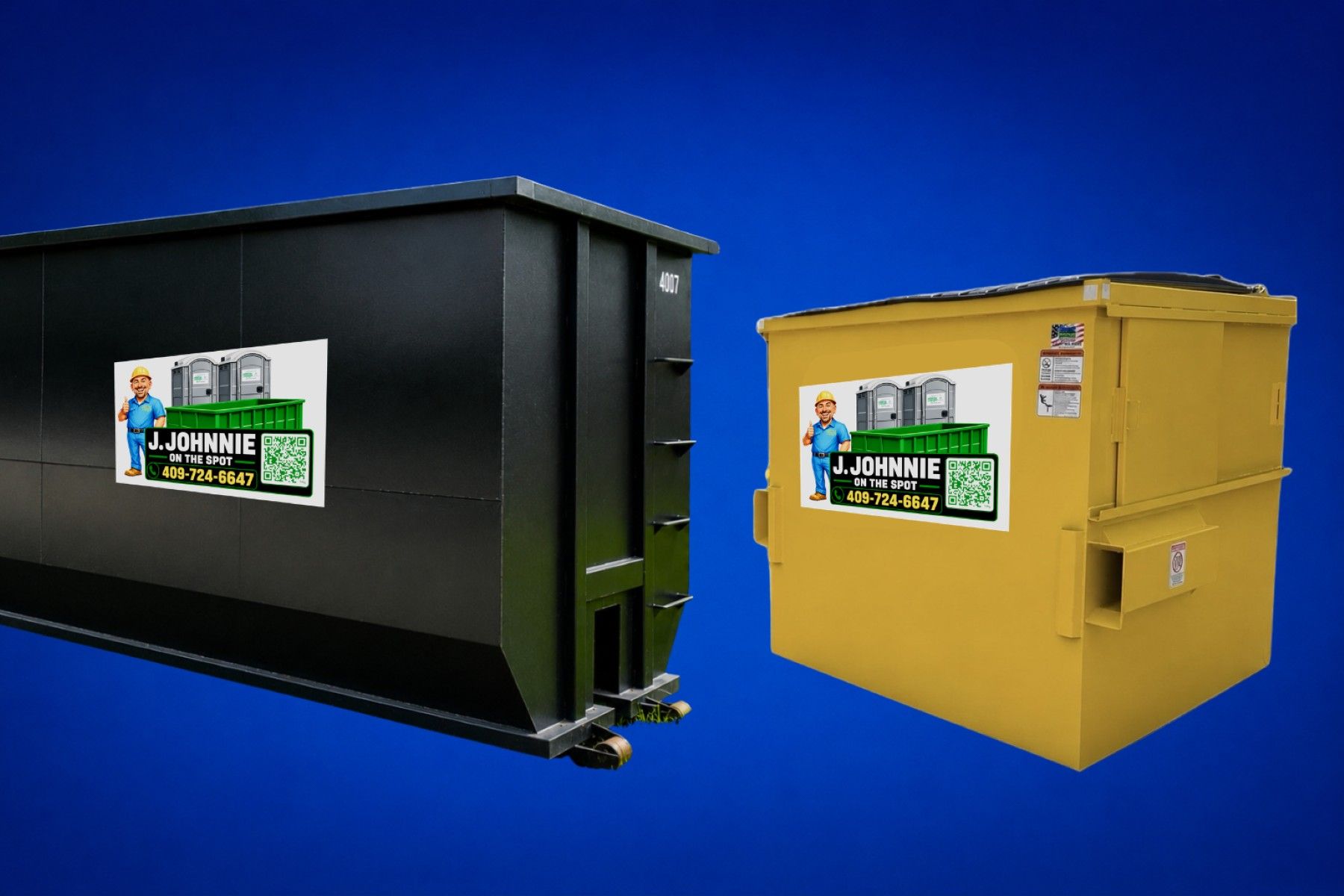
One of the most common myths is that dumpster rentals are only necessary for large-scale projects such as major home renovations or construction job sites. However, dumpsters come in various sizes that can accommodate smaller tasks as well. Small-scale home projects like garage clean-outs or seasonal yard work can benefit greatly from a more appropriately sized container.
Even for minor projects, having an organized approach to waste disposal can streamline the work, allowing homeowners to focus on their primary tasks. Depending on the project's scale, homeowners can choose from multiple dumpster sizes, such as 10-yard or 15-yard containers, which are more than sufficient for small home renovations or events.
Small businesses can also benefit from understanding the flexible range of dumpster options available to them. Offices or retail spaces might need a roll-off dumpster when undergoing rebranding, refurbishment, or seasonal decluttering. The flexibility of dumpster sizes ensures that businesses and individuals can find the right fit without overstretching their budgets.
Misconception 2: Dumpster Rentals Are Too Expensive
The belief that dumpster rentals are prohibitively expensive deters many potential users. Conducting a cost analysis can clarify that, in many cases, renting a dumpster is more cost-effective than using alternative disposal methods. When factoring in the fuel, multiple trips to landfill sites, and potential fines for improper waste disposal, a dumpster rental emerges as a practical financial choice.
Pricing structures for dumpster rentals can add another layer of attractiveness for potential renters. Various pricing plans cater to different duration and waste types, offering solutions for both short-term and extended rental needs. Understanding these structures helps individuals and businesses find an economical solution tailored to their specific needs.
Moreover, many companies offer promotions or discounts for first-time customers or loyalty program members, further lowering the barrier to use. Knowing where to find these discounts and how to apply them can make dumpster rentals a financially viable option. Long-term contracts might offer better per-use rates, providing more value compared to piecemeal waste management solutions.
Misconception 3: Only Contractors Can Rent Dumpsters
The notion that only contractors can navigate the rental process effectively is outdated. Nowadays, anyone can rent a dumpster online or by phone without needing specialized skills or licenses. For individual homeowners and renters, this accessibility supports timely completion of DIY projects or spring cleaning efforts with ease.
Community groups organizing events or clean-up days can also avail themselves of dumpster rental services. By knowing that these services are available to them, organizers can effectively manage large volumes of waste while maintaining community spaces. These community efforts, paired with available rental services, empower individuals to contribute positively to their environments.
Detailed guidelines also exist to help non-contractors make informed decisions about their specific needs. Whether you need to know which items can be disposed of or need to ensure the timely placement of the dumpster, clear instructions simplify the process. Finally, the convenience and accessibility ensure everyone can benefit from professional-level waste management solutions.
Misconception 4: Renting a Dumpster Is Complicated
Contrary to popular belief, renting a dumpster is often a straightforward process. Most companies provide detailed step-by-step guidance to aid customers through the selection, booking, and payment phases. With advanced online platforms, the entire process can be completed in minutes, offering a hassle-free experience without cumbersome steps.
Obtaining the necessary permits is another aspect often misunderstood as complex, yet most services include guidance on these requirements. Companies frequently assist clients in understanding local bylaws, ensuring compliance with regional waste management regulations. This reduces the perception of renting to an overly bureaucratic or intimidating task.
Finally, strong customer service support bolsters renters' confidence, knowing they can access expertise anytime. Available support from waste management professionals can clarify any doubts promptly, addressing concerns before or during the rental period. This relationship ensures proper understanding and use of the services, emphasizing simplicity right from booking to disposal.
Misconception 5: Dumpster Rentals Are Bad for the Environment
The perception that dumpster rentals lead to increased environmental degradation is an oversimplification. In reality, the waste management industry adheres to strict environmental regulations to minimize impact. Reputable companies have systems in place to separate recyclables, non-biodegradable, and hazardous waste, leading to more sustainable disposal practices.
These companies often partner with recycling centers to ensure biodegradable waste is composted and recyclable material is processed appropriately. Food waste, for instance, accounts for approximately 50% of global waste generation, according to Statista, and can often be repurposed. Understanding how waste is categorized and subsequently handled allows users to be more proactive in their waste reduction efforts.
Furthermore, many dumpster service enterprises are incorporating eco-friendly practices in their operations. Some companies offer eco-friendly dumpsters constructed using sustainable materials or provide recommendations for maximum recycling. These innovations help reduce the overall carbon footprint of waste management while encouraging customers to participate in green initiatives.
Misconception 6: Dumpsters Are Eyesores and Inconvenient
The thought of a large, unsightly dumpster stationed incompetently on a property is enough to dissuade some users. However, advances in design have transformed these functional necessities into more aesthetically pleasing options. Some waste management services offer dumpsters in colors that blend with an urban or residential setting, ensuring minimal visual disruption.
There are also specific placement strategies to ensure that dumpsters are not intrusive or cumbersome. Placing them strategically, such as at site peripheries or secluded areas, minimizes interference with everyday activities. Another consideration is road access, ensuring the roll-off truck can place and retrieve the dumpster efficiently without causing neighborhood discomfort.
Community-friendly designs are also available for urban settings, boasting features that integrate seamlessly with cityscapes. Thoughtful engineering in dumpster design focuses on minimizing impact both visually and spatially. These solutions emphasize the industry's commitment to balance functionality with community welfare, encouraging wider acceptance of necessary waste management tools.
Misconception 7: All Waste Material Can Be Thrown into a Dumpster
Many people assume that renting a dumpster creates a free-for-all waste disposal solution where anything and everything can be tossed inside. In reality, strict local, state, and federal regulations govern what can safely be placed in a standard roll-off container. Items such as hazardous chemicals, paint, tires, batteries, and certain electronics are strictly prohibited due to environmental risks and landfill restrictions. Failing to adhere to these rules can lead to severe contamination penalties, extra handling fees, or the rental company refusing to haul the unit away until forbidden items are removed.
Responsible waste management companies provide customers with detailed lists of accepted and prohibited materials upfront to prevent costly surprises. Construction debris, household junk, yard waste, and general non-hazardous trash are typically fair game, but specialized items like mattresses or appliances containing Freon often require pre-approval or alternative processing. By taking a few minutes to review these guidelines before loading, renters can ensure a smooth, legal, and hassle-free pickup process.
For projects involving restricted materials, rental providers can often recommend safe disposal alternatives or specialized hazardous waste collection days. Knowing these rules in advance allows homeowners and business managers to plan multi-stream waste disposal strategies effectively. This proactive approach not only protects renters from unexpected fines but also supports safer working conditions for sanitation workers and prevents harmful pollutants from leaking into local ecosystems.
Dumpster rentals are an invaluable resource for efficient waste management across various needs and projects. By clearing up these common misconceptions, individuals and businesses can leverage this service to its full potential, ensuring environmentally friendly and cost-effective waste disposal. To learn more, reach out to the experts at J. Johnnie on the Spot today.